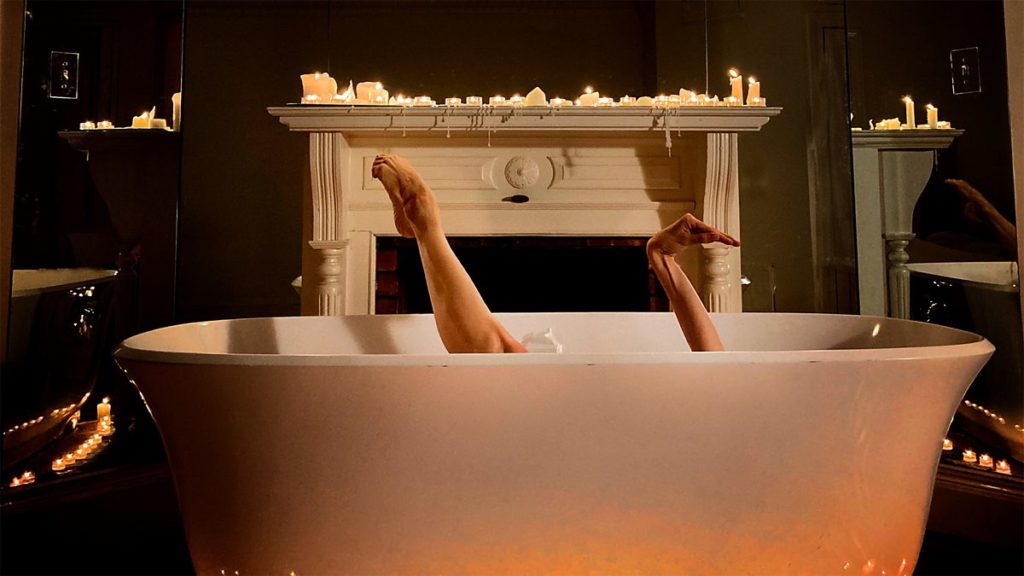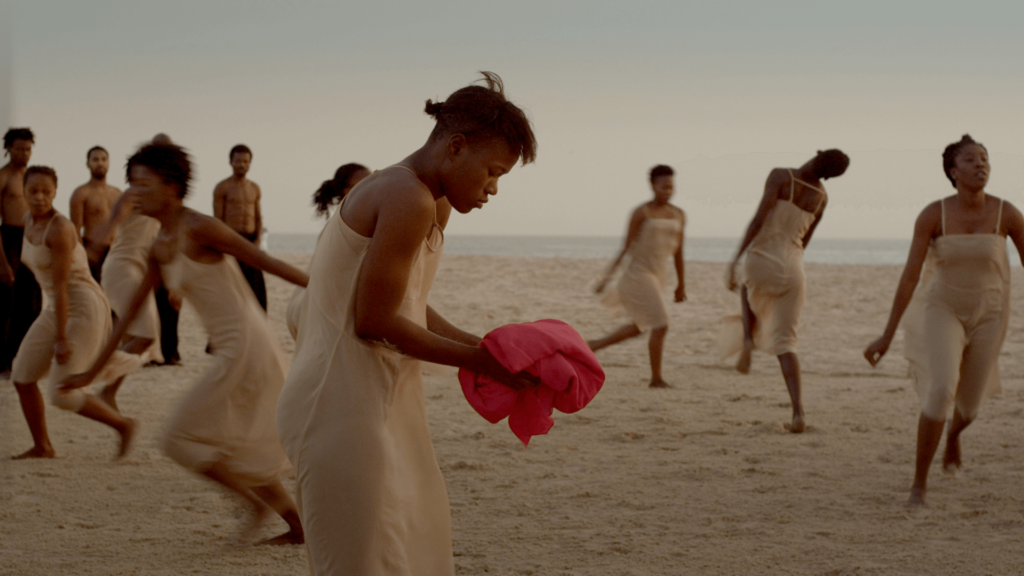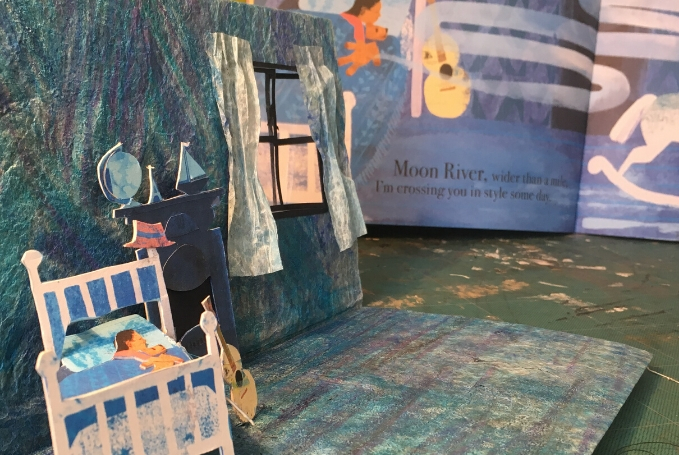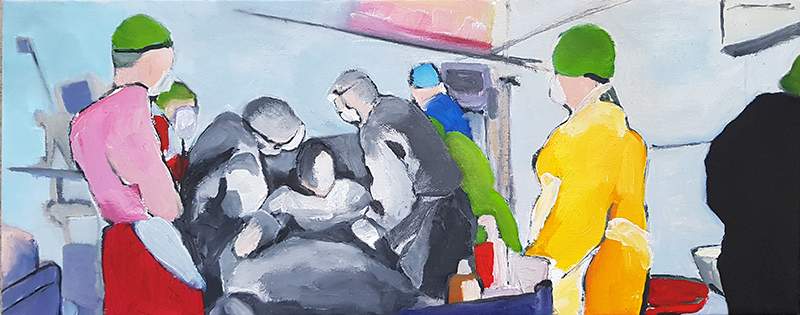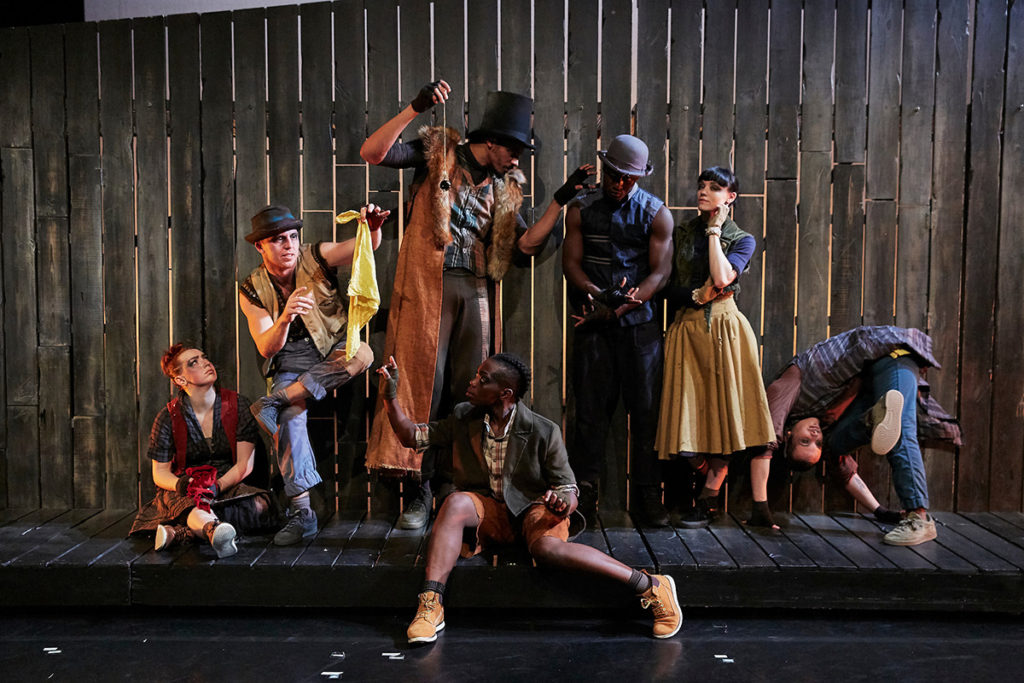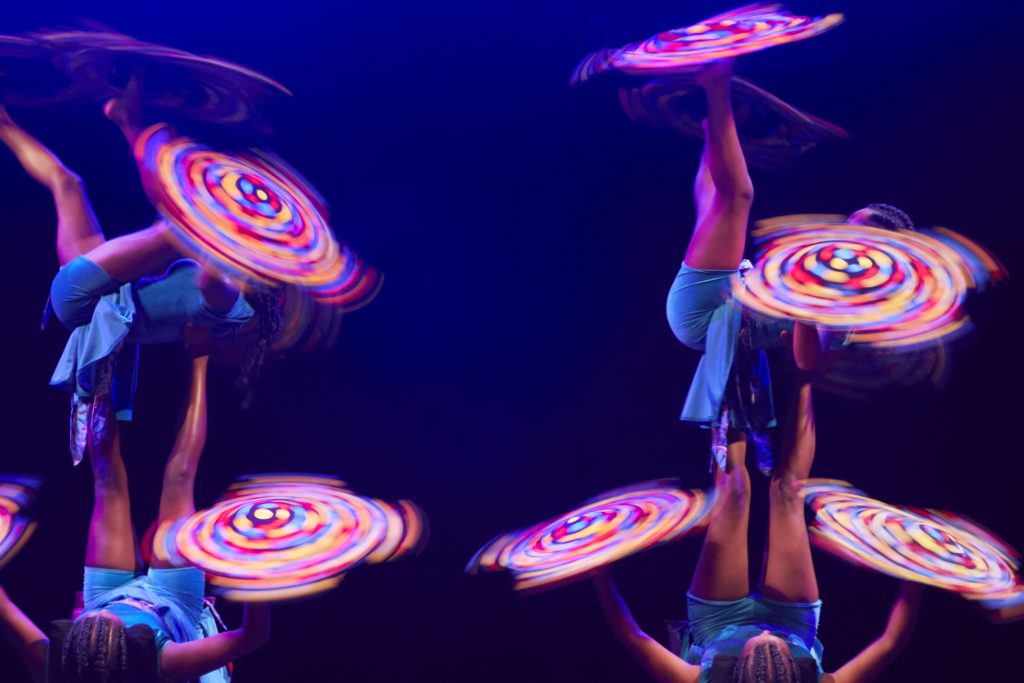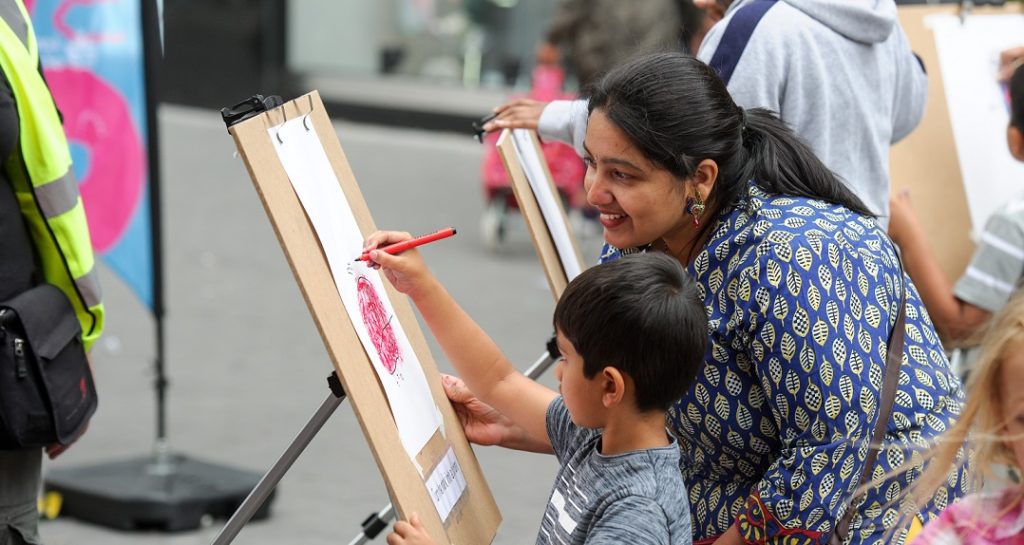
That is the particular pleasure of outdoor work: you do not need to know the rules before you arrive. There is no pressure to dress up, understand every reference or decide whether you are ‘an arts person’. You can watch for five minutes or stay for the whole show. You can bring the family, come with friends or turn up on your own.
Why free outdoor arts events in Hounslow matter
Free events are not simply a cheaper alternative to a night at the theatre. They make room for a different kind of encounter. When performance happens in a public square, it reaches people who might never have planned a cultural outing – and it does so without asking anyone to cross a threshold first.
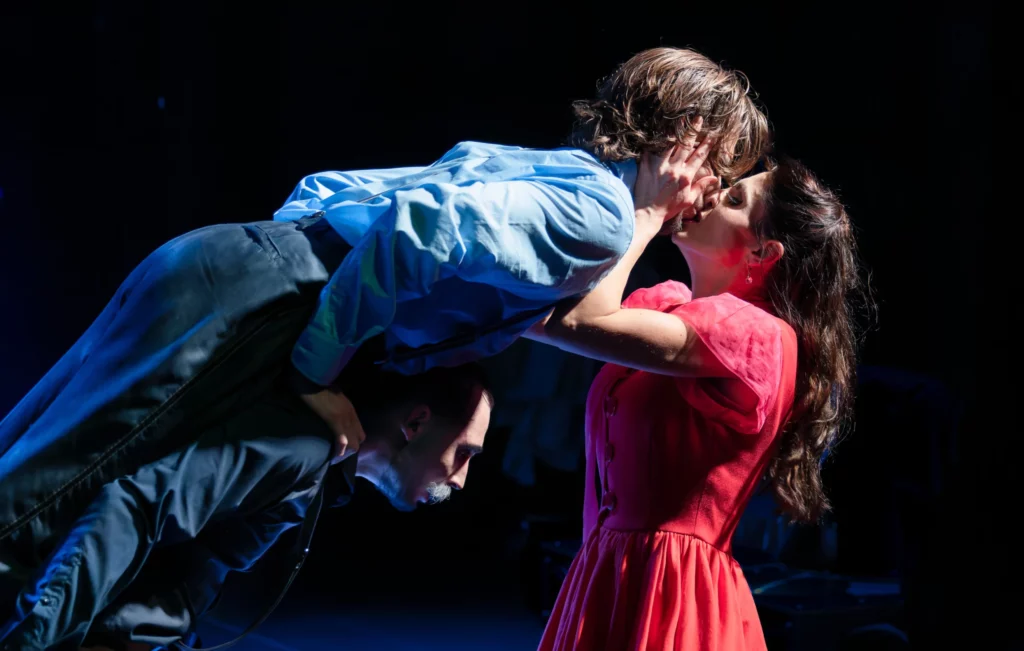
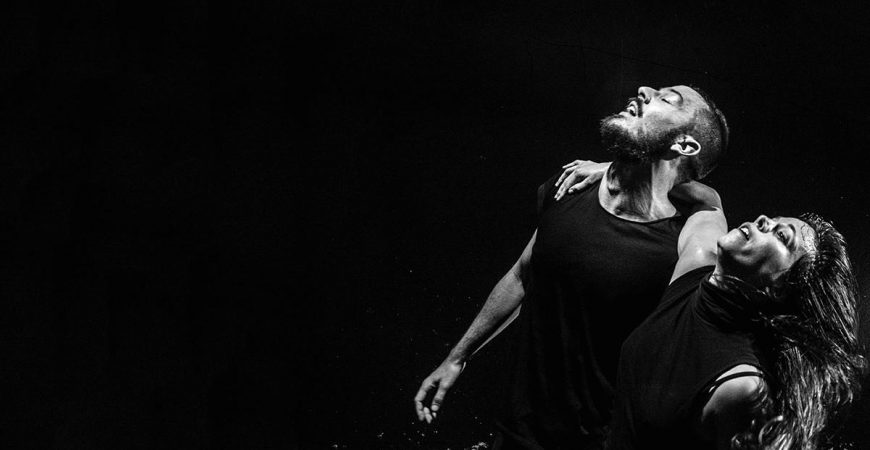
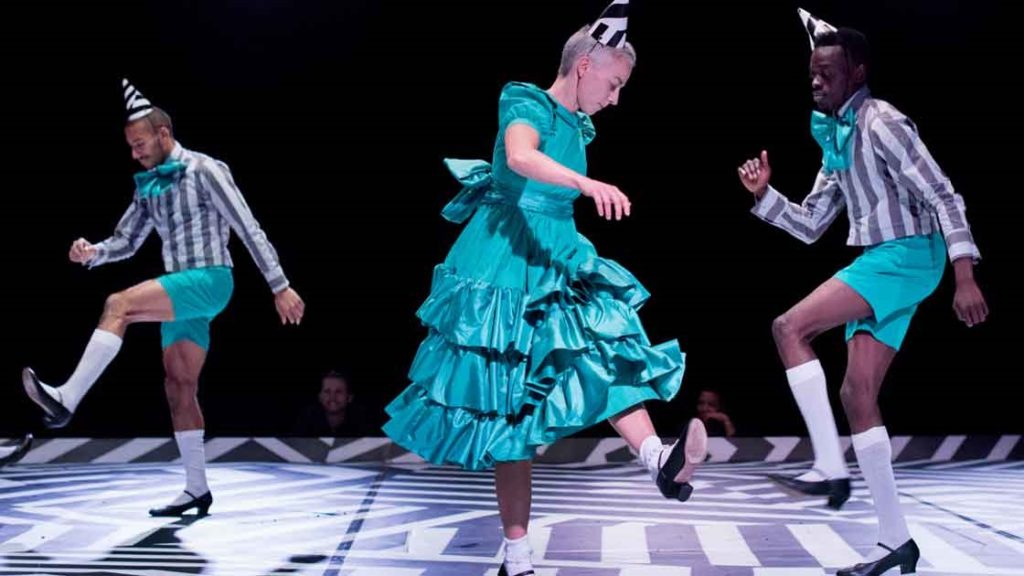
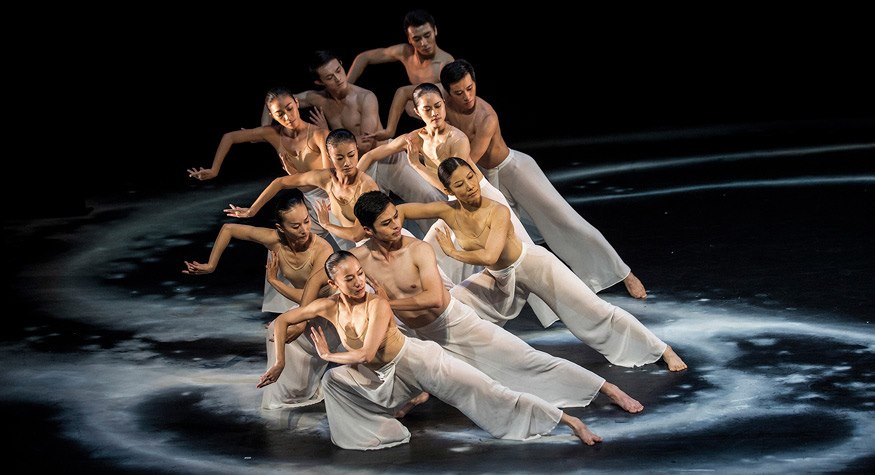
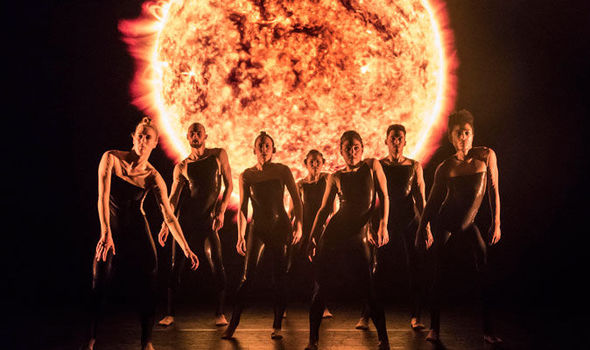
For Hounslow, that matters. The borough is shaped by many languages, histories and routes through the city. Outdoor performance can meet that richness with work that is visual, physical, musical, playful and surprising. A contemporary circus piece may speak through movement rather than dialogue. A dance work can make a familiar pavement look newly choreographed. Theatre can begin a conversation before a single word is spoken.
There is also something generous about seeing ambitious international artists close to home. You do not have to travel into central London, pay for a ticket or arrange weeks ahead. High-quality work arrives where people already meet, shop, wait and spend time together. Culture without walls means exactly that: art as part of everyday civic life, not something kept behind a door.
What you might see outdoors
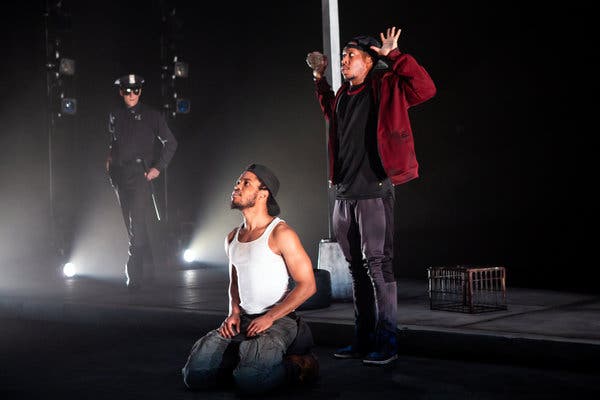
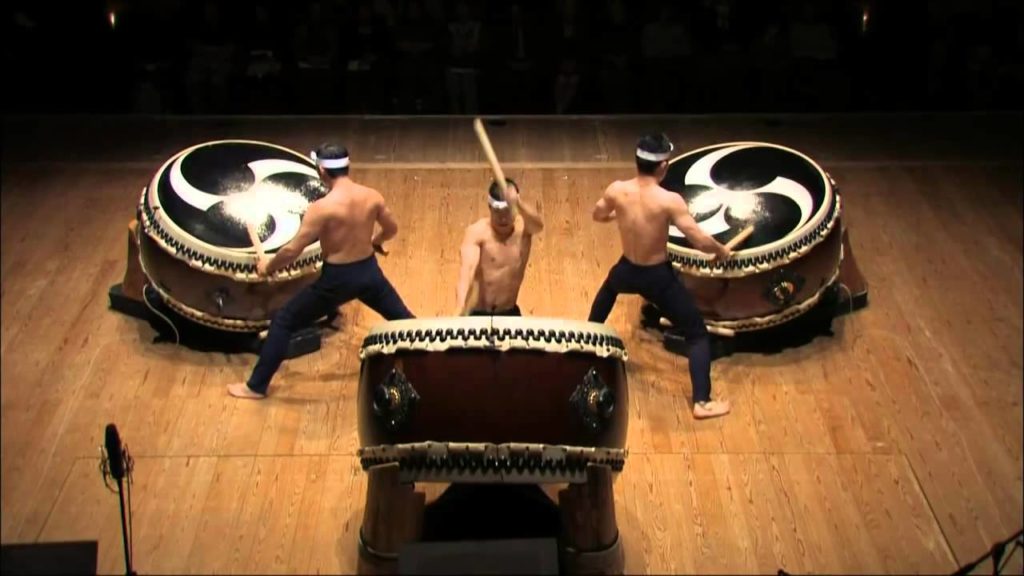
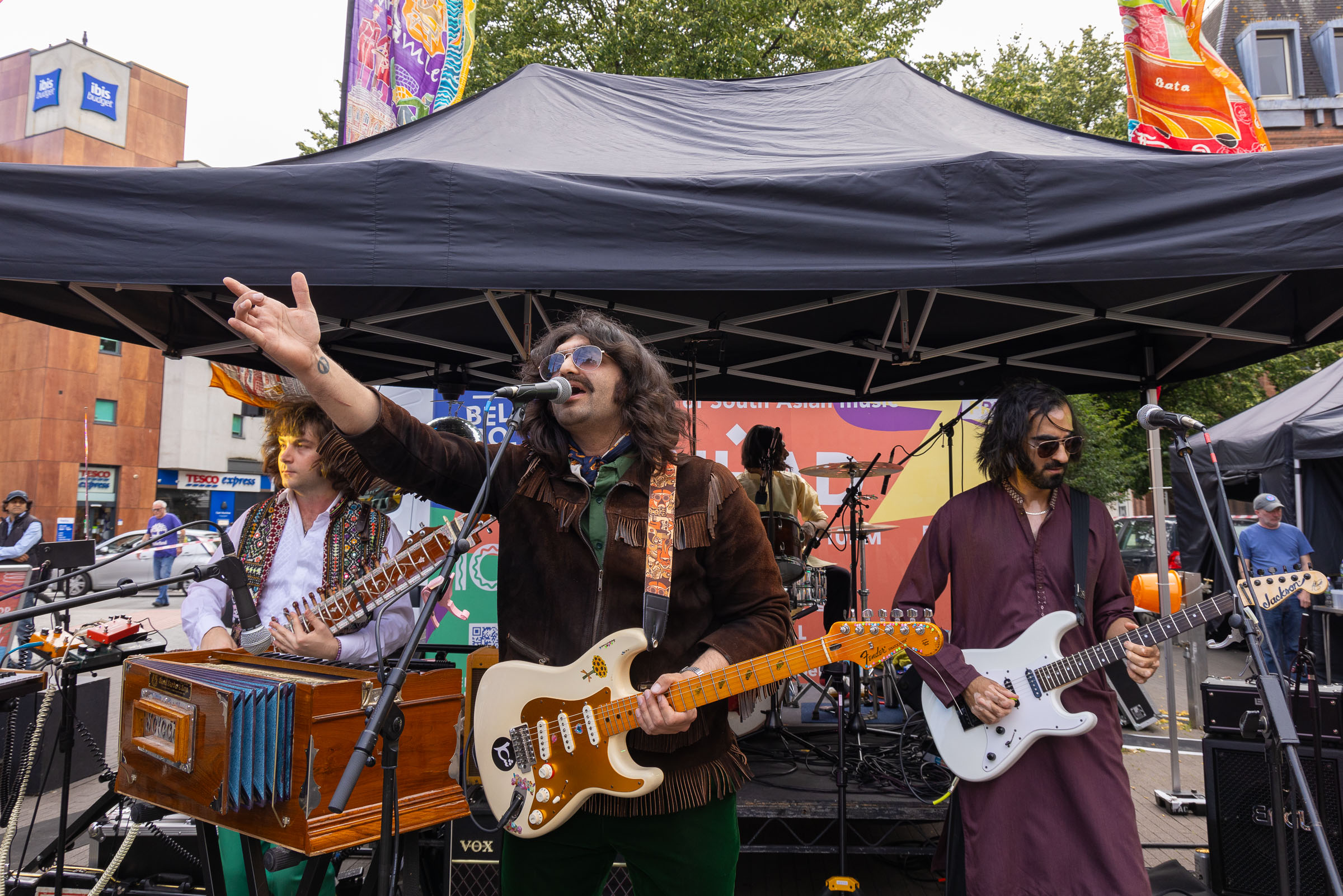
Outdoor arts are often more varied than people expect. The best programmes make space for theatre, circus, dance, live music and work that sits between forms. One event might use extraordinary acrobatics and comic timing; another might be quiet, sculptural and designed to make you look differently at the people around you.
The setting changes the work. Artists have to respond to wind, weather, passing traffic, birds, curious toddlers and the unpredictable rhythms of a public space. That does not make the work less carefully made. It often makes it more alive. A performer might use the architecture of the square, draw a passer-by into the action or allow the sound of the street to become part of the score.
Not every performance will suit every taste, and that is part of a lively programme. A family looking for laughter and spectacle may choose a high-energy circus show. Someone interested in contemporary dance may be drawn to a more reflective piece. If a work feels unfamiliar, give it a few minutes. Outdoor art often asks for curiosity rather than specialist knowledge.
Bell Square: international performance in the heart of Hounslow
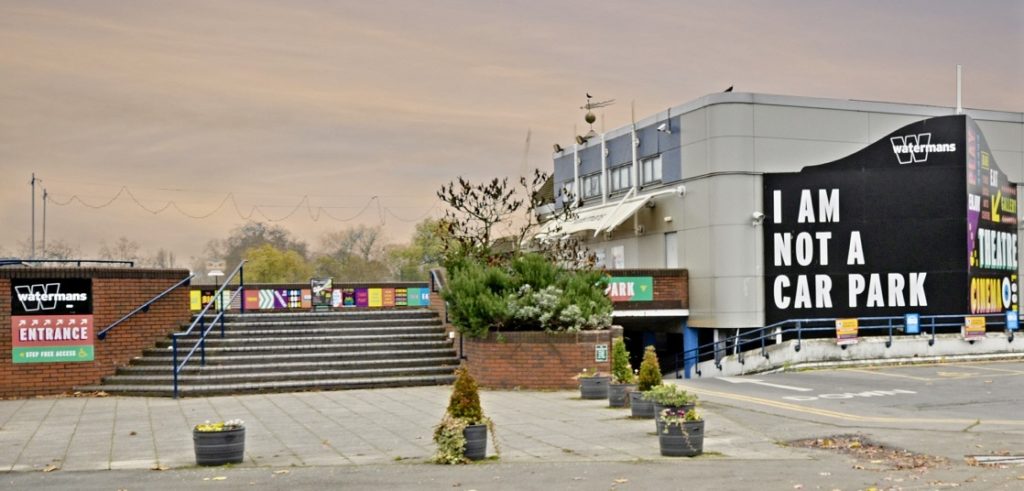
Bell Square has become a place where this kind of encounter can happen regularly. Watermans presents free international outdoor performance there, bringing artists and companies from across the UK and beyond into a shared public space in Hounslow town centre.
The experience is deliberately direct. There is no need to book a seat for the square, and no expectation that audiences arrive already knowing the artist. You stand among neighbours, visitors and people who happened to be passing. That mix is one of the reasons the performances stay with people. The audience is not hidden in the dark – it is visible, responsive and part of the atmosphere.
Programmes change across the year, so it is worth checking the current event information before travelling. Times, running lengths, age guidance and access details can vary from one production to another. Arriving a little early is useful if you would like a clearer view, particularly for popular shows, but outdoor events also allow for a more relaxed rhythm of coming and going.
Make an afternoon of it, without overplanning it
The easiest way to enjoy free outdoor arts events is to leave a little room for the unexpected. Come early enough to get your bearings, grab a drink or snack nearby, and take a look at the space before the performance begins. You do not need a packed itinerary. The point is to be present when something unusual starts to unfold.
Dress for the forecast rather than the occasion. A waterproof layer, comfortable shoes and sun protection can make a real difference, because outdoor work continues in the real conditions of the day. If rain or high winds affect a performance, organisers will share any changes through their event updates.
For families, it can help to tell children that they are allowed to react. Outdoor performance is not a silent exam. Laughing, clapping, gasping and asking a question afterwards are all part of the experience. If a child needs to move, take a break or watch from the edge of the crowd, that is fine too. The informality of the setting is a strength, especially for first-time audiences.
If you have access requirements, check the specific event information in advance or contact the team with questions. Every public space and production has different practical considerations, from viewing areas to sound levels and crowd movement. Asking ahead helps organisers make the visit as welcoming as possible.
More than something to watch
The strongest public-space arts events do more than fill an hour. They give people something to talk about afterwards. You might discuss how a performer balanced on a seemingly impossible object, why a scene made the crowd suddenly quiet, or what a piece of music brought to mind.
They can also make young people see creativity as something made by real people, not only something on a screen or in a distant venue. Seeing artists take risks in front of a live crowd can spark questions about making, performing, designing and collaborating. For local artists and creative practitioners, international work in the borough offers a useful point of connection too: a chance to encounter different approaches and imagine what might be possible here.
There is a wider civic value in gathering for art without needing to spend money. Public squares are often treated as places to move through quickly. A performance asks us to linger. It creates a temporary commons where attention is shared, where people notice one another, and where a familiar place feels a little less routine.
Keep your plans flexible and your curiosity switched on
The most memorable outdoor performances are not always the ones you can describe neatly afterwards. Sometimes it is the hush before a stunt, a dancer moving against the evening light, or the sound of a whole crowd laughing at once. Put a free event in the diary if you can, but leave space for the possibility that the best part will be simply stopping when something extraordinary appears in the square.